
Why Is My Juniper Turning Brown? 7 Common Causes and Fixes
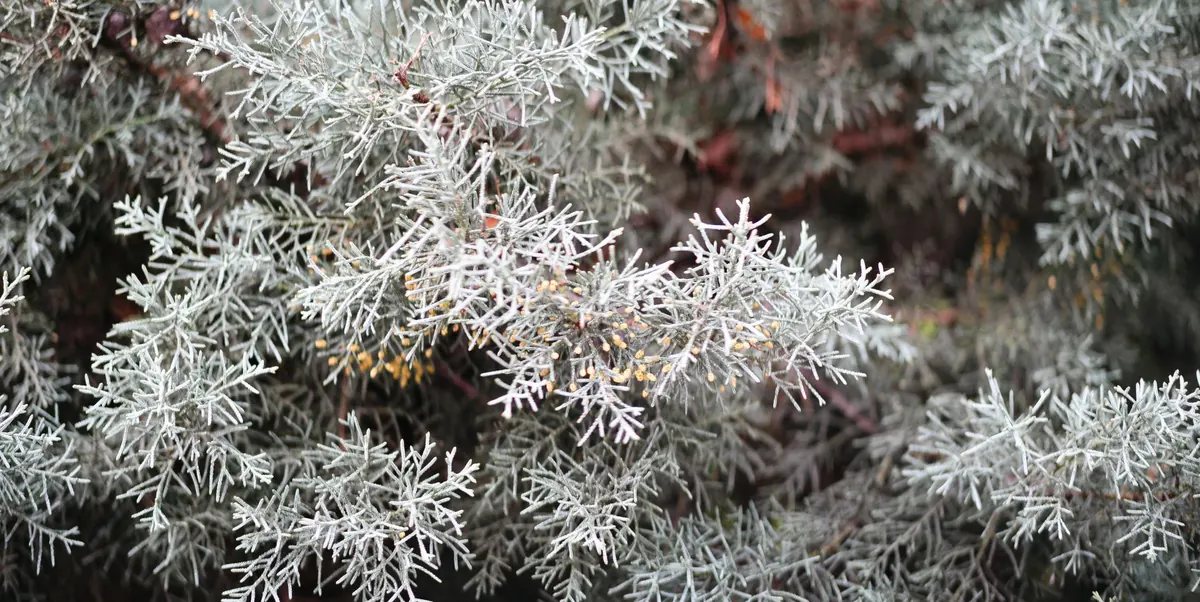
Few things are more disheartening than watching a juniper you have cosseted for years turn the colour of old cardboard. Junipers are tough, but they are not indestructible, and browning is rarely random. It follows a pattern: where on the plant it starts, whether the foliage is crisp or soft, and what the weather has been doing over the past few weeks. Read those clues and you can usually narrow the cause down in a few minutes — and, in most cases, save the plant.
1. Drought and Dry Soil
Junipers tolerate drought once established, which is not the same as being drought proof. Long dry spells, sandy soil, raised beds and containers all leave plants short of water, and the first sign is usually crisp brown foliage at the branch tips. Bend a browned shoot: if it snaps cleanly, you are looking at drought or scorch rather than disease.
Newly planted junipers are the most vulnerable, as are plants under the eaves of a house where rain never reaches the root zone. Water slowly and deeply at the base instead of giving a quick sprinkle, and check the top 5cm of soil before you reach for the can — damp soil beneath brown tips means the problem lies elsewhere. A 5–7cm mulch of bark or gravel, kept clear of the trunk, slows evaporation through summer.
2. Root Rot and Waterlogged Soil
Too much water kills junipers faster than too little. Roots need air, and in heavy clay, in a pot without drainage holes, or in a saucer left standing full, they suffocate. Foliage browns from the inside out or from the base upwards, feels soft rather than crisp, and pulls away with little resistance. Push a finger into the soil; a sour, stagnant smell is a strong hint.
No feed or spray will fix this. Stop watering, clear blocked drainage holes, stand pots on feet, and let the top few centimetres dry between waterings. If the main stem is soft and dark at soil level, the plant is probably beyond saving — take cuttings from healthy outer growth in late summer instead.
3. Spider Mites and Other Sap-Sucking Pests
Pest damage rarely looks like clean browning. Spider mites leave fine stippling that turns foliage a dull, dusty bronze, and they thrive in hot, dry weather when plants are already stressed. Hold a sheet of white paper under a branch and tap it sharply; if tiny specks begin to crawl, mites are present.
Juniper scale is easier to spot: small brown or grey bumps clustered along the stems, often with sticky honeydew below. Treat both with a forceful jet of water on the foliage every few days, applied early so leaves dry before evening, followed by insecticidal soap or horticultural oil if the infestation is heavy. Avoid broad-spectrum sprays, which wipe out the predators doing the work for you.
4. Sun Scorch and Reflected Heat
Brown patches confined to one side of the plant — usually the side facing a south-facing wall, paving or metal fencing — point to scorch. The classic trigger is a sudden hot spell after a cool, damp spring, when soft new growth is burned before it hardens. Straw-coloured foliage that crumbles between your fingers is the giveaway.
Water consistently, hold off feeding during a heatwave, and shade newly planted junipers for their first summer. Scorched wood on older branches rarely reshoots, so prune lightly and let surrounding growth fill the gap over a season or two.
5. Winter Burn and Drying Winds
Browning that appears in late winter or early spring, on the windward side or on plants in exposed sites, is usually winter burn. Cold wind and low sun draw moisture from evergreen foliage while roots in cold, dry ground cannot replace it. Salt-laden coastal wind and roadside grit do the same.
Water evergreens thoroughly in autumn, and water pots right through dry winter spells — the step most of us forget. A temporary windbreak of fleece or netting helps in exposed gardens. Resist pruning in February; wait until growth starts in spring, when you can tell dead wood from dormant.
6. Fungal Blights and Root Rots
If browning begins at the branch tips and works inwards, particularly on the lower and inner parts of the plant after a wet spring, fungal blight is possible. Look for tiny black specks on the dead foliage. Phytophthora root and crown rot causes similar top-down browning, but with dark, damaged tissue at soil level and brown rather than white, firm roots.
Prune affected branches back into healthy wood with clean secateurs on a dry day, and bin the prunings rather than composting them. Open the canopy so air moves through, water at the base rather than over the foliage, and clean your tools between plants. Better airflow and general vigour do more good than reaching for a fungicide.
7. Natural Interior Dieback and Transplant Stress
Not every brown patch is trouble. As junipers thicken, the oldest needles deep inside the canopy lose light and shed, leaving a bare brown core — normal on spreading types in particular. A juniper that browns unevenly after being moved, or one planted out with a pot-bound root ball, is more likely sulking than sick.
Check the root flare first: if the trunk disappears into soil or a mound of mulch, it is planted too deep. Excavate gently until you find where the roots begin and keep mulch well clear. Snip out dead twigs at any time of year, leaving a small stub rather than cutting into live wood, so you can see whether the dieback is still spreading.
What to Do Next
Work through these steps and you will usually find your answer in a few minutes:
- Feel the browned foliage. Crisp and snapping points to drought, scorch or winter burn; soft and mushy points to root trouble.
- Check the soil 5cm down in two or three places. Dry, damp or sodden?
- Note the pattern: one side, the centre, the tips, or spreading up from the base.
- Tap a branch over white paper, and check stems for scale.
- Treat the cause — water properly, improve drainage, prune out disease, or shelter the plant from wind and reflected heat.
Junipers recover slowly, so give a plant a full growing season before deciding to dig it out. Fresh green growth at the tips is a good sign. If more than half the canopy is dead, replacing is often the better use of the space — plant slightly high, in full sun, in soil that drains, and water properly for the first two summers.
Photo: Markus Winkler / Pexels