
Cooking with Juniper Berries: 6 British Recipes and Flavour Pairings
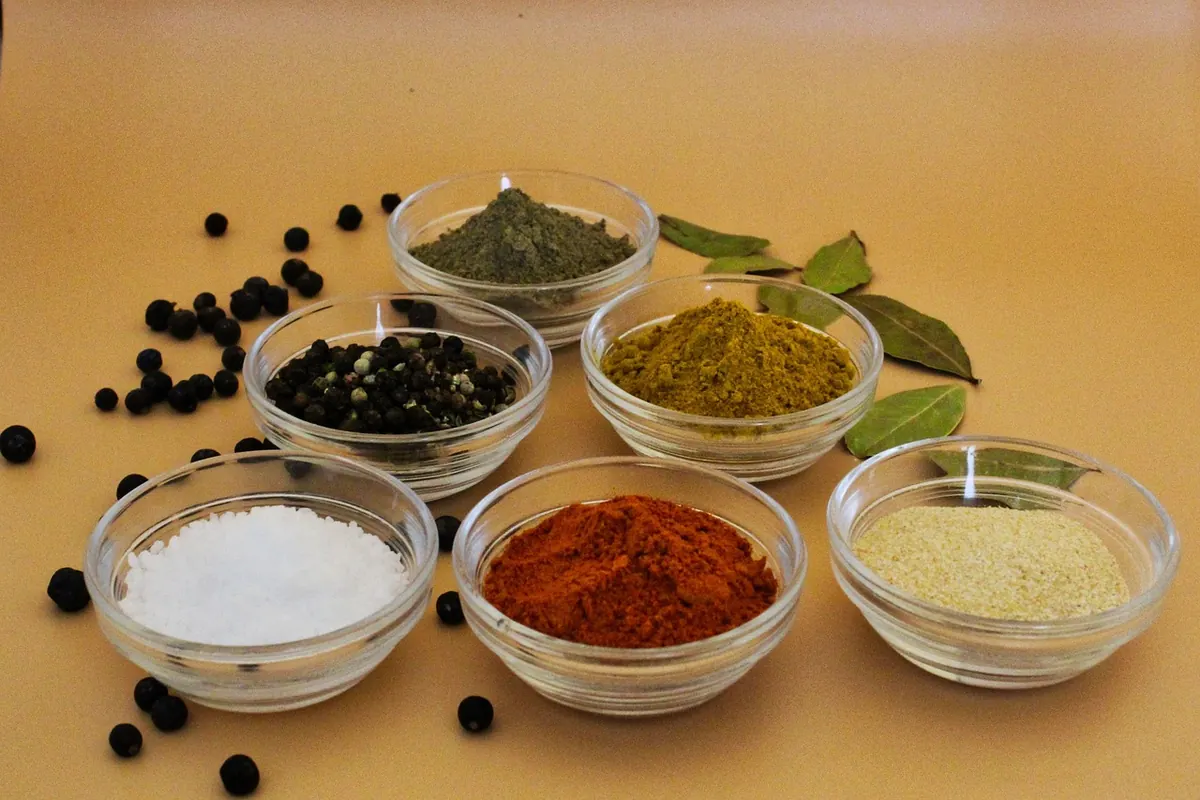
Britain has been cooking with juniper far longer than it has been drinking it in gin. The dark, dusty-blue berries — technically seed cones — turn up in old game books, in pickles, in braised cabbage and in the sort of slow casseroles that smell wonderful before they reach the table. Their flavour is brisk and resinous, with a citrus edge and a faint sweetness underneath. Used well, they sharpen rich meat and lift fruit and vinegar. Used badly, they taste like a Christmas tree. This is a beginner's route in.
What You Are Cooking With
Buy dried berries whole, from a spice merchant or a decent supermarket, and keep them in a small jar away from light. The flavour fades within a year or so, so buy little and often rather than a lifetime supply. If you grow your own juniper, pick only fully ripe berries — the deep blue-black ones. You'll usually find green unripe berries on the same branch, because they take two or three years to mature.
Then crush them. A whole juniper berry is politely flavoured; a cracked one is not. Use the flat of a knife, a pestle and mortar, or the back of a spoon. Six to eight berries, roughly crushed, is a sensible amount for four portions of meat. Toasting them for thirty seconds in a dry pan gives more perfume, but pull them off the heat before they darken — burnt juniper is bitter.
A word on sourcing. Wild juniper is scarce and declining across much of Britain, and in many places it isn't regenerating. Check with your local wildlife trust before foraging, never strip a bush, and be certain you have Juniperus communis. Berries from ornamental junipers, savin in particular, are not for eating.
Six British Recipes to Start With
1. Juniper and black pepper venison
Crush 8 juniper berries with a teaspoon of black peppercorns, a teaspoon of flaky salt and a teaspoon of soft brown sugar. Rub this into a venison haunch or two thick steaks and leave for an hour. Roast the haunch at 200°C (180°C fan) and take it out when the centre reads about 54°C; for steaks, two to three minutes a side in a hot pan, then rest. Serve with something sharp — redcurrant, rowan jelly, or the apple jelly below.
2. Cider-braised pheasant with juniper and bacon
Brown 100g of bacon lardons, then brown four pheasant joints in the fat. Soften a chopped onion and a sliced apple, then add 8 crushed juniper berries, two bay leaves, a few thyme sprigs, 300ml dry cider and 200ml stock. Return the pheasant, cover, and cook at 160°C for about an hour, until the meat comes away from the bone. Finish with a knob of butter or a spoonful of cream.
3. Juniper-brined pork chops
Dissolve 40g salt and 20g sugar in a litre of cold water, add 10 crushed juniper berries and a bay leaf, and submerge four thick pork chops. Two hours is enough; overnight is better. Pat dry, season, and grill or pan-fry. The brine keeps them juicy, and the juniper reads clearly against the pork.
4. Braised red cabbage with juniper and apple
Shred a red cabbage and put it in a heavy pan with a sliced onion, two peeled and grated apples, 6 crushed juniper berries, 25g butter, two tablespoons of red wine vinegar, two tablespoons of brown sugar and a splash of port or cider. Cook very gently, lid on, for an hour and a half, stirring now and then. It is better on the second day.
5. Juniper and apple jelly
Simmer 1kg of chopped cooking apples with 10 crushed juniper berries, the pared zest and juice of a lemon, and enough water to just cover. Cook until soft, then strain through a muslin-lined sieve overnight — don't squeeze, or the jelly clouds. Measure the juice and allow 450g sugar per 600ml. Boil hard to setting point, skim, and jar. Excellent with pork, pheasant and hard cheese.
6. Juniper-pickled beetroot
Roast or boil beetroot until tender, then peel and slice. Warm 300ml cider vinegar with 100g sugar, a teaspoon of salt, 6 crushed juniper berries and a bay leaf until the sugar dissolves. Pour over the beetroot, jar it, and leave for a fortnight. It keeps for months in the fridge and transforms a ham sandwich.
Pairings Worth Remembering
Juniper sits comfortably in two camps: rich meat, and fruit with vinegar or sugar. Crushed fresh, it also likes smoke, salt and fat.
- Meat and game: venison, pheasant, grouse, rabbit, duck, pork, lamb, beef, sausages and coarse pâté.
- Fish: oily fish, mackerel especially, plus smoked trout or salmon.
- Vegetables: red cabbage, beetroot, parsnip, sauerkraut, lentils and mushrooms.
- Fruit: apple, pear, quince, redcurrant and orange.
- Herbs and spices: bay, thyme, rosemary, black pepper, allspice, coriander seed and mustard seed.
- Liquids: dry cider, red wine, port, dark stock, vinegar and gin, obviously.
Avoid pairing juniper with delicate things — white fish, cream sauces, asparagus, chicken breast. It will simply shout over them.
Mistakes to Avoid
Too many berries is the classic error. If a dish tastes medicinal or piney, you have overshot; a squeeze of lemon and a little more fat will help, but it is easier to start low and adjust. Old berries from the back of a cupboard are another trap. If they smell of dust rather than gin, replace them.
Keep juniper as a seasoning. Concentrated juniper oil and supplements are a different proposition from a few crushed berries in a casserole. If you are pregnant, breastfeeding or have kidney problems, speak to a pharmacist or GP before using juniper in quantity.
Start Here: Juniper Butter
If you want one quick win before committing to a full recipe, mash 6 crushed juniper berries into 100g of soft butter with a little lemon zest and black pepper. Roll it in greaseproof paper, chill it, and slice it onto grilled pork chops, mackerel or roast parsnips. It takes five minutes, keeps for a week, and tells you immediately whether juniper belongs in your kitchen. It almost certainly does.
Photo: BiggiBe / Pixabay