
Winter Care for Junipers: A UK Protection Checklist for Pots and Borders
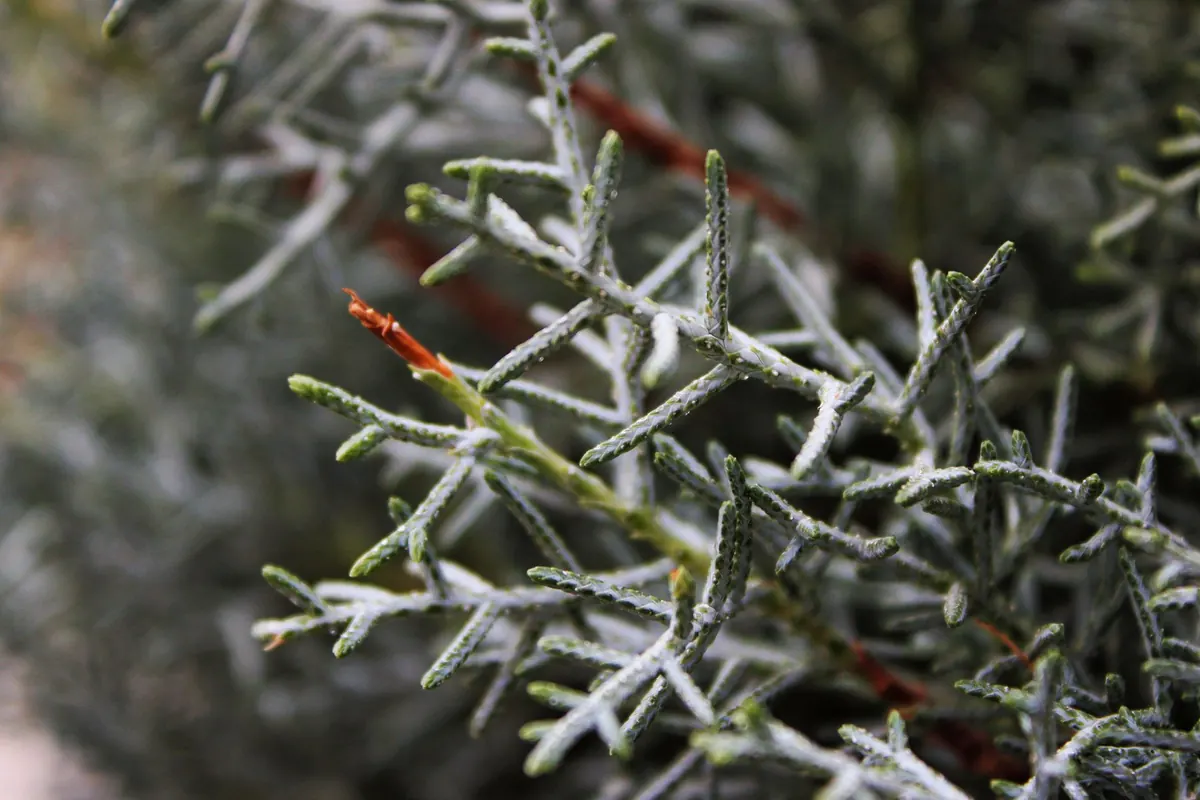
Junipers have a reputation for toughness, and most of the time they earn it. A 'Skyrocket' taking the full force of a February easterly looks like it could shrug off anything. Then spring arrives, and a shrub that seemed perfectly fine in January has a patch of rust-brown foliage on its windward side, or a branch that snaps the moment you touch it. Winter losses in junipers are rarely sudden. They build quietly through small, fixable problems: dry compost, a waterlogged base, a tie that has been cutting in since December. What follows is the work that actually matters between late autumn and early spring.
Why winter is harder on junipers than it looks
Two things happen at once in a UK winter, and they pull in opposite directions. Above ground, the foliage keeps working. Junipers are evergreens, so they carry on losing moisture through their needles whenever the weather is mild, bright or windy. Below ground, the roots slow down or stop. Once the soil freezes, a juniper cannot replace the water it loses. That is how you get winter burn: brown, scorched-looking foliage that has dried out rather than frozen.
Meanwhile, our wet, mild spells work the other way. Junipers need sharp drainage. They hate sitting in cold, sodden soil, and a waterlogged root system in winter is one of the few things that will genuinely kill a plant outright. So the whole winter job comes down to two aims: stop the roots freezing dry, and stop them drowning.
Watering: less often, but not never
Somewhere around mid-November, most gardeners put the watering can away and don't think about it until April. For junipers in pots, that is a mistake. A container in a sheltered corner can go weeks without rain reaching the compost, and a cold wind pulls moisture out of the foliage regardless.
In pots
- Push a finger or a bamboo cane a few inches into the compost. If it is dry at depth, water.
- Water in the morning of a mild day, when the temperature is comfortably above freezing, so surplus drains away before the night frost.
- Empty saucers and drip trays. Standing water plus frost is how roots rot.
- If the compost is frozen solid, wait. Water poured onto frozen compost sits on the surface and freezes around the crown.
In borders
Established junipers in the ground need very little from you, because winter rain does the work. The exceptions are anything planted in the last year or two, and anything under the eaves of a house or beneath a dense canopy where rainfall never reaches the soil. Water those thoroughly in any dry spell, then leave them be.
Mulch now, feed later
A generous mulch in late autumn is the single most useful thing you can do for a juniper in a border. Spread 5–8cm of bark chips, leafmould or well-rotted garden compost over the root zone. It steadies the soil temperature through freeze-thaw cycles, holds moisture and keeps weeds down.
The one rule is to keep the material clear of the trunk. A mulch collar piled against the stem traps damp against the bark and invites rot, especially in a wet winter, so leave a gap of a few centimetres around the base of the plant. If the soil is compacted, fork it over lightly first, then mulch, but do not dig deep: juniper roots are shallow and easily damaged.
Skip the fertiliser until growth restarts in March or April. Feeding now encourages soft growth that the next frost will catch.
Wind, snow and salt
Wind does more damage to junipers than cold does. On an exposed site, a plant can lose more water on a bright, windy January afternoon than on a warm day in June, and if the ground is frozen it cannot top up. The usual result is browning on the windward side.
- Move pots into the lee of a wall, fence or hedge for the winter. Grouping them together gives mutual shelter.
- Wrap the pot, not the foliage, in bubble wrap or hessian, and stand it on pot feet or bricks so water drains freely.
- On exposed borders, rig a temporary windbreak of fleece or fine netting on the prevailing wind side, a foot or two away from the plant. It should not touch the branches.
- Avoid rock salt near junipers. Grit or coarse sand is a safer choice on paths and drives, and any salt spray that does land can be washed off with plain water during a mild spell.
Snow is friendlier. A covering insulates the plant, and junipers cope with it better than most shrubs. Its weight is the issue. Wet, heavy snow can splay a columnar juniper or snap branches, so knock it off gently with a soft broom, working from the inside outwards and upwards. Do not shake the branch. That is when the splits happen.
Frost damage: what to check, what to leave alone
Walk the garden after a hard frost and after every storm. Look for rusty or tan foliage on one side of the plant, blackened soft tips where cold and wet have combined, split bark or cracked branches near the base, and plants that rock in the soil because frost heave has lifted the rootball. Check ties and stakes too, since winter wind loosens them and a rubbing tie can girdle a stem.
If a juniper has heaved, firm it back with your heel, gently. If a tie is cutting in, loosen it a notch. Then leave everything else until late spring. This is the hardest advice to follow: do not reach for the secateurs in February. Junipers do not regrow from old, bare wood, so a cut made too hard leaves a permanent gap, and browning that looks alarming in January is often just scorched foliage that new growth will cover.
Wait until late May or June, when you can see clearly which wood is alive. Scratch the bark lightly with a fingernail: green underneath means it is still going. Then remove only dead material, cutting back to a live side shoot rather than into bare stems.
A month-by-month winter checklist
- November: clear fallen leaves from around the base, check drainage, mulch borders, move pots into shelter.
- Before the first hard frost: wrap pots, raise them on feet, fit windbreaks on exposed sites.
- December to February: check pot compost fortnightly and water on mild mornings if dry; empty saucers; brush heavy snow off branches.
- After every gale: check for rocking plants, split limbs and loose ties.
- March: unwrap pots, take down windbreaks gradually, resume regular watering and start feeding.
- Late May to June: assess any winter damage and prune only what is genuinely dead.
Bringing them through to spring
Patience does most of the work from here. A juniper that looks tired and brown in February often pushes fresh growth in May, so resist the urge to feed heavily or water constantly in a panic. Both cause more harm than the frost did.
Keep a note of which plants scorched and where the wind hits hardest. That tells you which corner needs a windbreak next year, and where a new juniper would struggle. If you do lose one, the cause is usually drainage, so plant the replacement slightly proud of the surrounding soil, with a handful of grit worked into the planting hole, and give it a mulch that stops short of the trunk.
Photo: Gizem toprak / Pexels