
How to Plant a Juniper in the UK: A Step-by-Step Guide for Borders and Pots
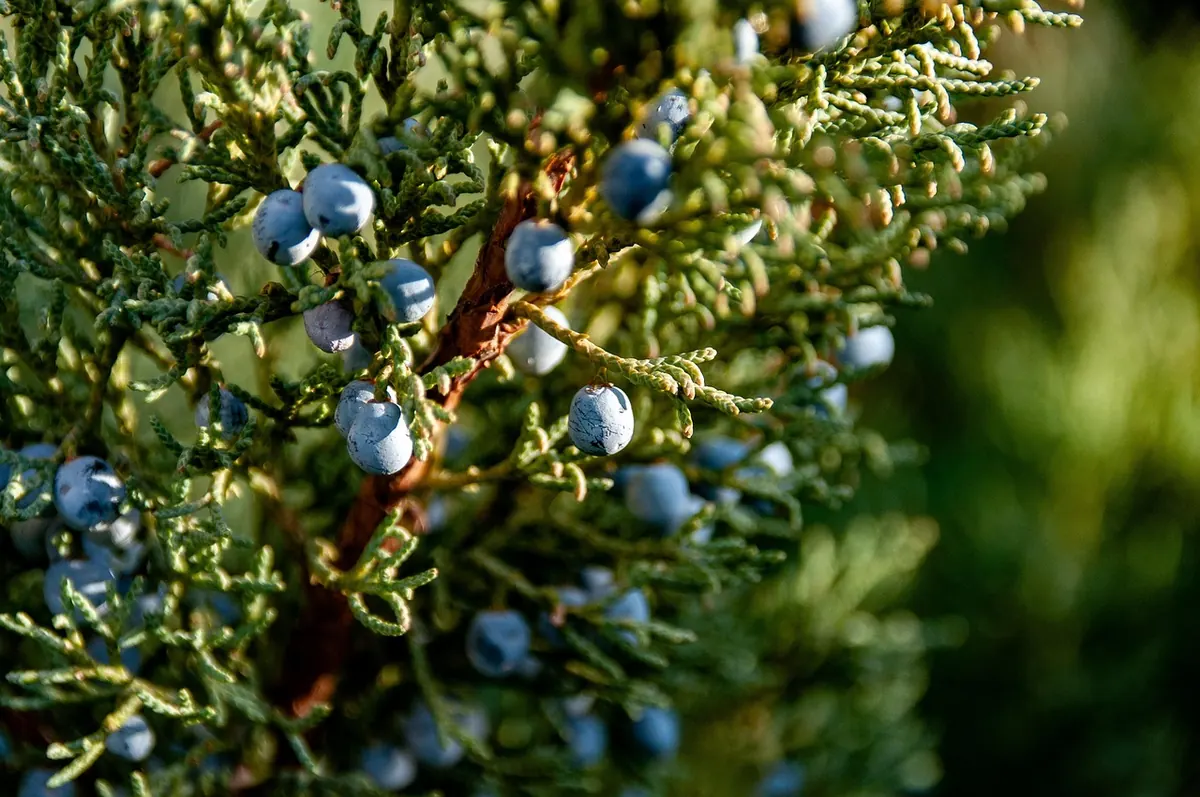
Junipers are among the most forgiving plants you can put in a British garden, which is exactly why so many of them fail. A juniper will sit there looking fine for a season, then sulk, brown off and die — and nine times out of ten the problem was decided on planting day, not in the years that followed. Get the basics right and you will have a plant that shrugs off wind, salt, drought and neglect for decades.
This guide covers choosing a site, preparing the ground, planting at the correct depth and watering in, with separate notes for containers, because pots behave very differently from open ground in a UK climate.
Choosing the right site
Junipers want sun. Not a hint of morning sun behind a fence, but a good six hours or more through the growing season. Shade makes the foliage thin and leggy, and it keeps the soil damp for longer, which is the second thing junipers hate.
Drainage matters more than richness. A juniper in boggy clay will rot at the collar within a year or two, often without obvious warning. Before you dig, look at where the site sits after heavy rain. If water stands there for more than a few hours, either raise the planting area or choose a different spot. Slopes, gravel borders and raised beds are ideal.
Think about the plant's eventual spread, not the size of the pot you carried home. A low spreading juniper can easily reach two metres across in ten years. Planting it 40cm from a path because it looks neat now is a decision you will regret.
Also consider shelter. Junipers tolerate exposed positions well once established, but young plants in a windy coastal or upland garden benefit from a temporary windbreak for the first winter.
Preparing the soil
Junipers are undemanding about fertility but fussy about structure. Most UK garden soils — heavy clay, silty loam, even sandy loam — can be made suitable with a bit of work.
Dig a planting hole wider than you think necessary: roughly two to three times the width of the root ball, and only as deep as the root ball itself. Wide is useful; deep is not. Loosening the soil beneath the plant encourages roots downwards, while an over-deep hole simply creates a sump.
Break up the soil at the bottom of the hole with a fork, then mix the backfill with:
- Two or three handfuls of garden compost or well-rotted manure per planting hole, for moisture retention and structure.
- A generous handful of horticultural grit on heavy clay, to open it up.
- Nothing else. Skip the fertiliser at planting — rich soil encourages soft growth that is more vulnerable to cold and wind.
If your soil is genuinely waterlogged, plant on a slight mound: set the root ball on undisturbed soil and build the surrounding soil up around it so excess water drains away from the trunk.
Planting at the right depth
Depth is where most junipers are lost. The top of the root ball — the level at which the plant sat in its nursery pot — should finish level with, or fractionally above, the surrounding soil. Burying the collar, where trunk meets roots, is a reliable way to kill a juniper slowly.
- Water the pot thoroughly an hour before planting, so the root ball is moist throughout.
- Slide the plant out and inspect the roots. If they are circling tightly, tease them out gently with your fingers, or make two or three shallow vertical cuts around the sides of the root ball with a knife.
- Set the plant in the hole and check the level with a straight edge or cane laid across the surface. Adjust the soil beneath until it is right.
- Backfill in stages, firming gently with your heel between layers to remove air pockets. Do not stamp hard — you want contact, not compaction.
- Water slowly and thoroughly, then water again once the soil has drained. This settles everything and removes the last of the air gaps.
- Mulch with 5–8cm of bark, gravel or compost, keeping it clear of the trunk by a hand's width.
Watering in and the first year
Newly planted junipers need regular water for their first growing season, even though established ones are drought tolerant. In a normal UK summer, that means a thorough soak once a week rather than a light sprinkle every evening. In a hot, dry spell, twice a week. Water at the base, not over the foliage.
From the second year onwards, most border junipers in the ground need no watering at all except in prolonged drought. Sandy soils and sheltered spots dry out faster, so keep an eye on them.
Feed sparingly. A light dressing of general-purpose fertiliser in early spring is plenty for a border plant; more than that produces floppy growth and, on some varieties, fewer of the berries that make junipers worth growing.
Planting junipers in pots
Containers suit junipers well, but the rules change. A pot is an extreme environment: it dries out quickly in summer, freezes solid in winter, and holds whatever water cannot escape.
Choose a container at least 10cm wider in every direction than the root ball, and always larger than seems necessary. Terracotta and unglazed ceramic breathe and help prevent waterlogging; plastic retains more moisture and needs sharper drainage. Every pot must have drainage holes — no exceptions.
Use a loam-based compost rather than a peat-free multipurpose mix, and blend in roughly a quarter by volume of horticultural grit. Loam holds nutrients and moisture without sitting wet, and it gives roots something to grip.
In winter, raise the pot onto feet or bricks so water drains freely, and consider moving it against a wall or wrapping it against hard frost. The cold itself rarely kills a juniper; sitting in frozen, saturated compost often does. Repot into a larger container every three or four years in early spring, trimming about a third of the old compost away and teasing out circling roots.
Troubleshooting after planting
Brown patches that appear from the inside out usually mean the plant dried out at some point, or that the roots are sitting wet. Dieback starting at the base and moving upwards is more often a drainage problem. If a young juniper collapses in its first winter, suspect waterlogging rather than cold.
Do not prune to fix the problem, and do not feed it. Junipers grow from the tips of their shoots and will not regrow from bare old wood, so cutting into brown, leafless branches leaves permanent gaps. Light trimming of soft tips in early summer is all the pruning most garden junipers ever need.
Getting it right the first time
Plant in autumn or early spring, when the soil is workable and rainfall does the watering for you. Pick a sunny spot with free drainage, dig wide and plant shallow, water thoroughly and mulch well. Then step back and leave it alone.
A juniper planted properly will ask almost nothing of you after the first year — no staking, no feeding regime, no spraying. That patience at the start is the whole trick, and it is a far easier job than replacing a plant you buried too deep.
Photo: wal_172619_II / Pixabay